Press release by Chesapeake Ag Advisory Committee on April 2, 2026
The Chesapeake Bay Program’s Agricultural Advisory Committee (AAC) is celebrating its first year in representing farmers in the restoration effort since its kickoff meeting in March 2025. Formed during a pivotal moment as the Chesapeake Bay Program looks “Beyond 2025,” the AAC was created to ensure that the folks who actually work the land have a direct line to the leadership shaping the future of the Bay.
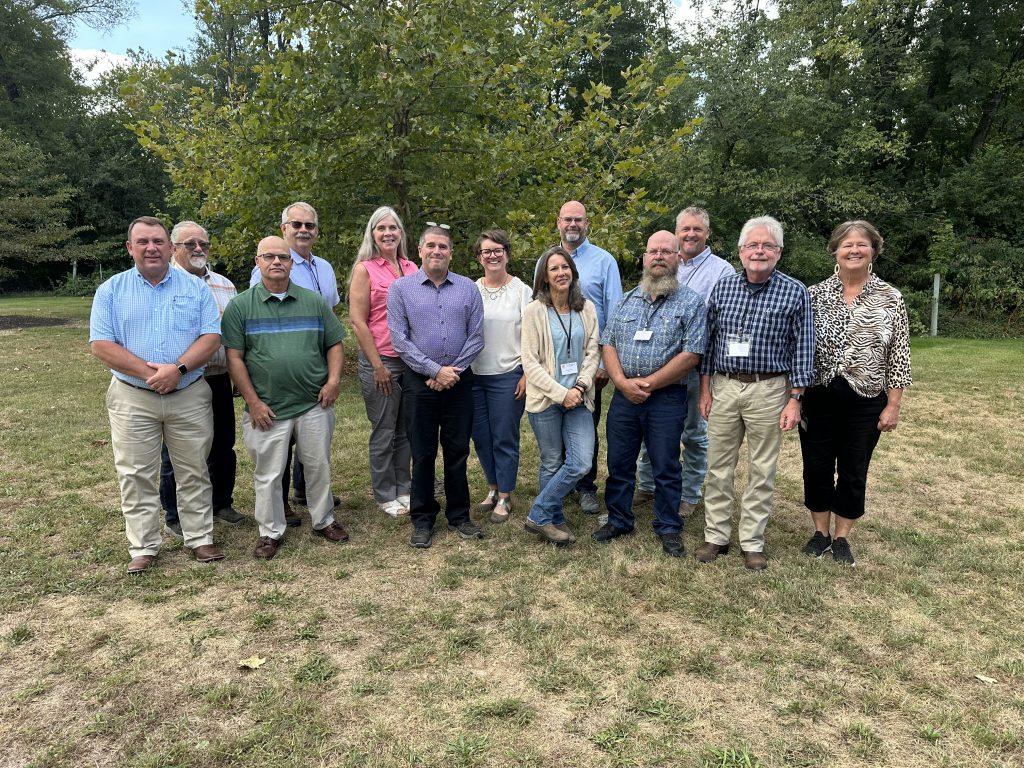
The committee is composed of 14 appointed members representing every state in the Chesapeake Bay watershed and the District of Columbia. This diverse group of farmers, agribusiness leaders, and technical experts brings a wealth of on-the-ground experience to the table, ensuring that the agricultural community has a formal voice in the restoration effort.
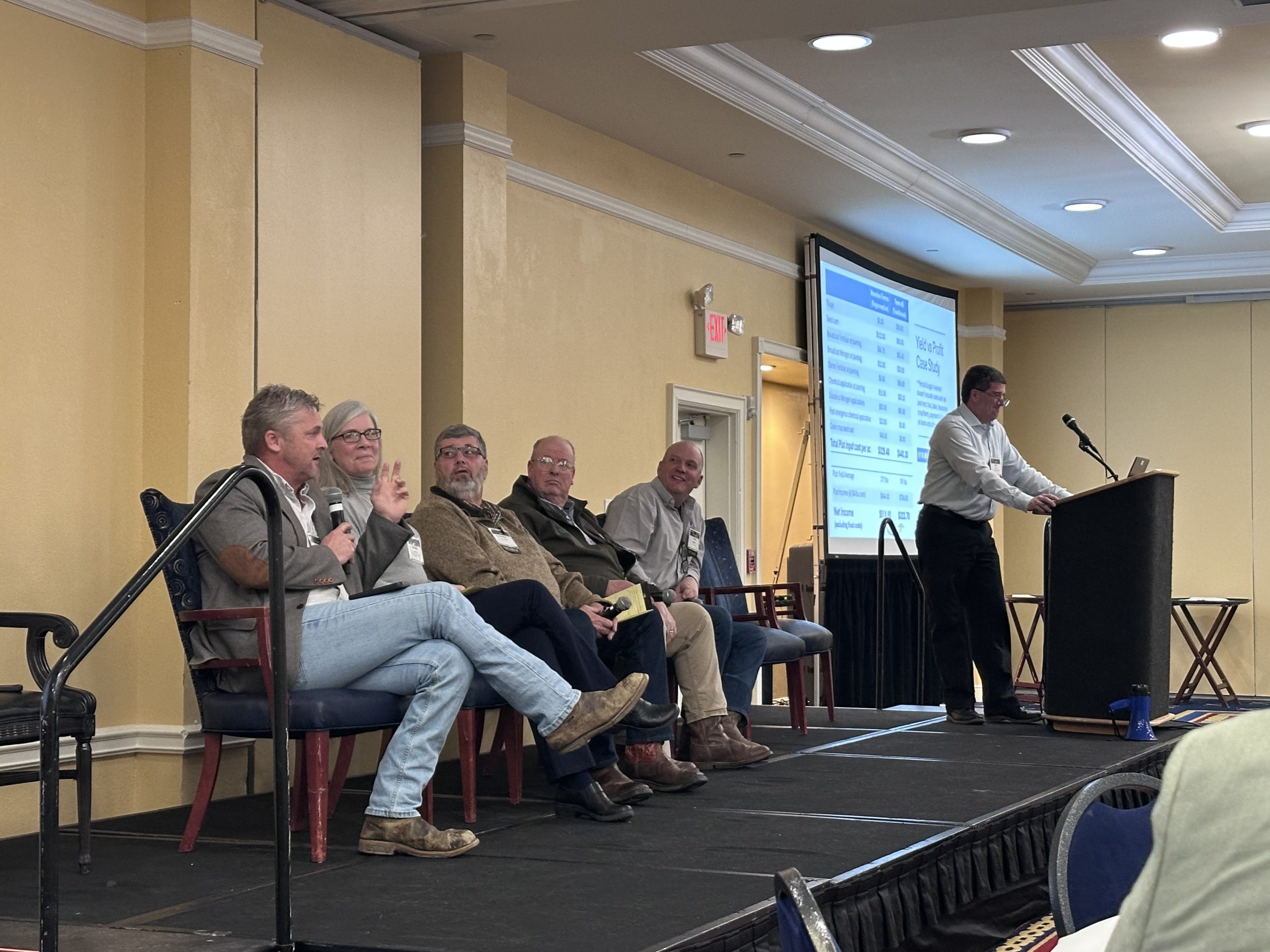
For too long, agricultural policy was often seen as something happening to farmers rather than with them. The AAC has fundamentally changed that dynamic. By serving as a formal liaison to the Chesapeake Executive Council and the Principals’ Staff Committee, the AAC ensures that high-level policy is grounded in the reality of day-to-day farm operations. Our key accomplishments in our first year include:
- Influencing the “Beyond 2025” Framework: The committee played a vital role in shaping revisions to the Chesapeake Bay Watershed Agreement. Crucially, the AAC made sure that agriculture itself was explicitly represented in the revised agreement. This is a significant milestone, as the agricultural sector is responsible for a large portion of the remaining nutrient load reductions needed to reach our collective implementation goals.
- Prioritizing Farm Viability: In its first set of formal recommendations, the AAC made it clear: economic viability is the foundation of conservation. You can’t ask a farmer to invest in the future of the Bay if they can’t stay in business today.
- Advancing Soil Health: The committee recognized that good soil health is key to the success of the restoration effort, emphasizing its role in both water quality and farm resilience.
- Streamlining Data and Accountability: The AAC has pushed for more transparent, credible data that accurately credits farmers for the good work they are already doing on the ground.
For agricultural organizations, the Ag Advisory Committee represents a powerful new ally. We are no longer just reacting to implementation goals; we are helping to write the playbook.
The message from the first year is clear: when farmers engage as partners rather than just “sources” of runoff, we see record reductions in pollution and stronger rural economies. As we move into our second
year, the AAC will continue to be the voice for producers. In focusing on farm viability as an essential condition for improving water quality and habitat, we’re ensuring that farmers are positioned to lead the next chapter of Bay restoration.